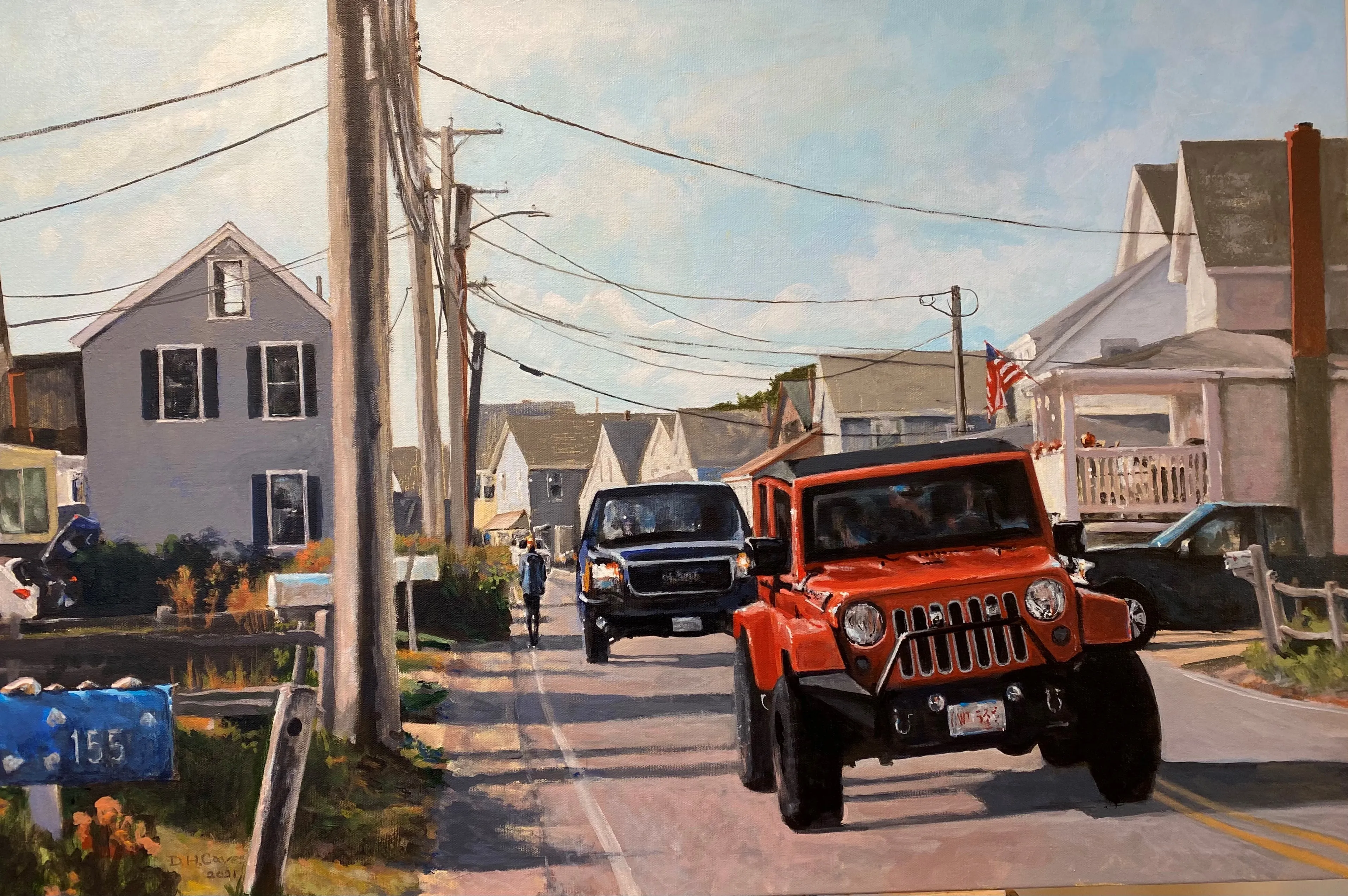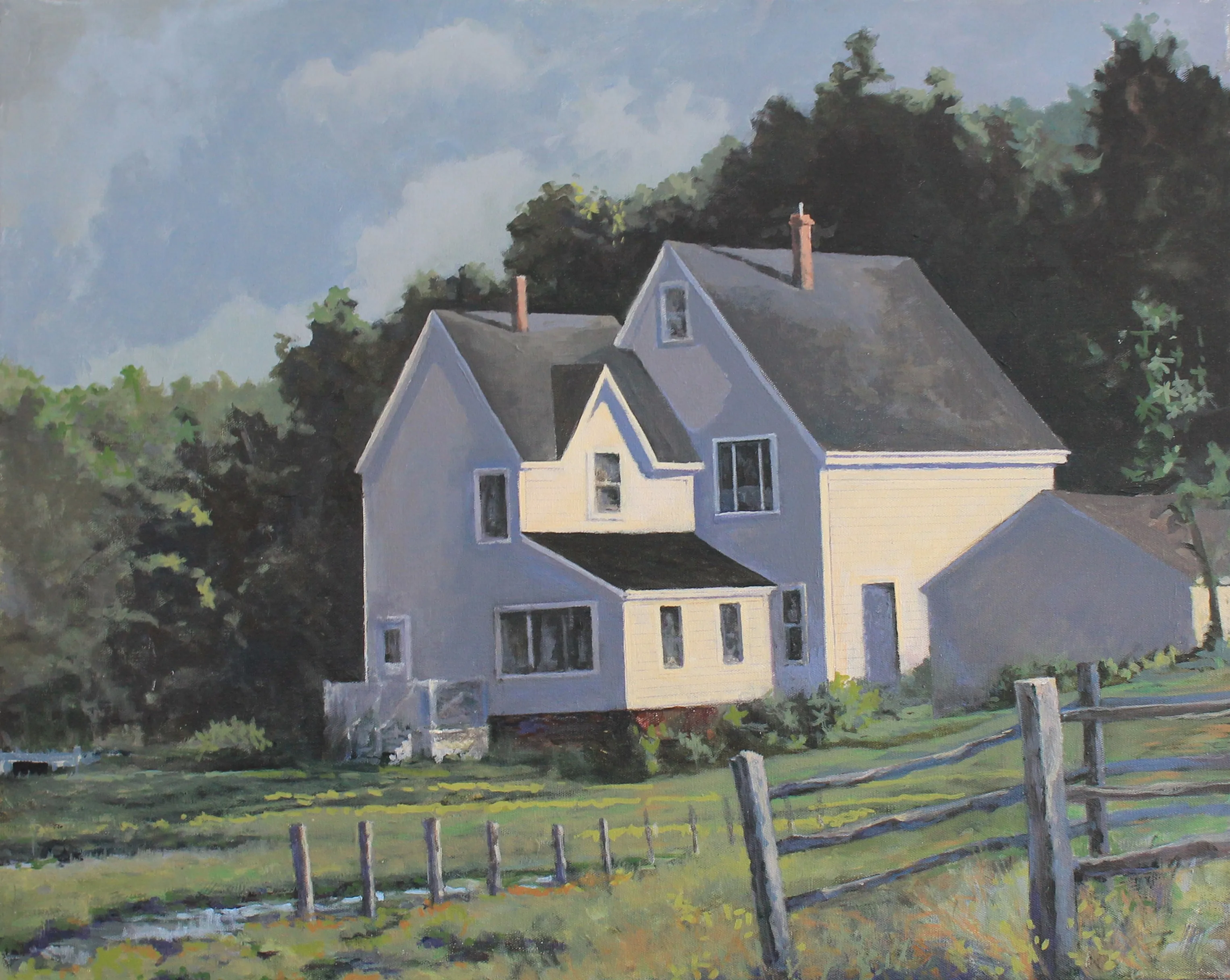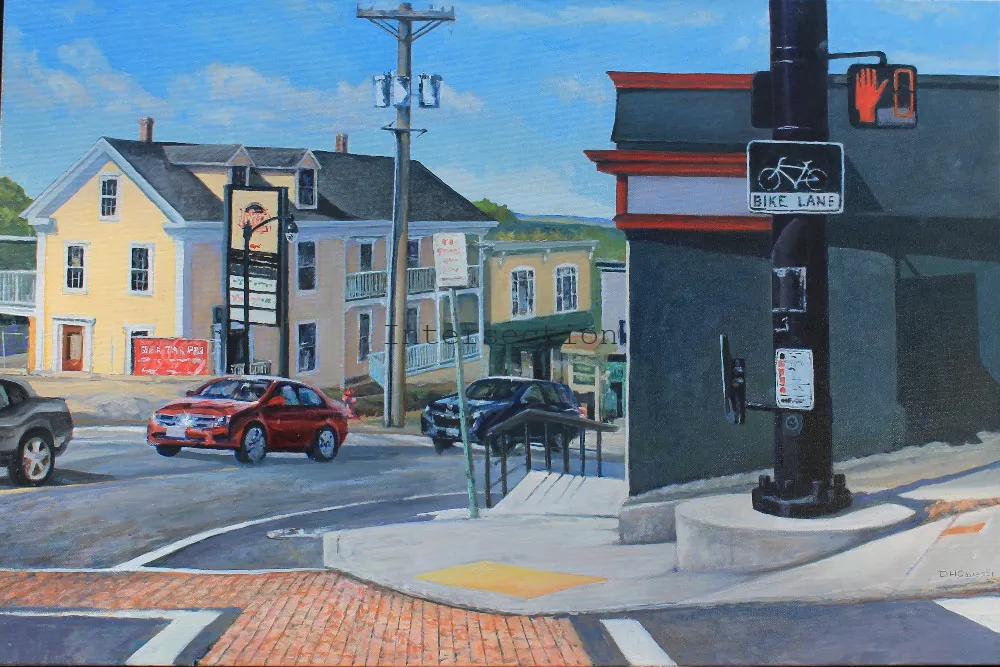
Small paintings ask for a little more attention than a large canvas, but that is part of their appeal. They can make an entry feel considered, give a bookshelf a focal point, or hold a quiet corner together without taking over the room. The key is not making a small work pretend to be large. It is giving the work a setting where its scale feels deliberate.
1. Choose a small wall with a clear job
Start with places that already have a natural visual pause: the wall above a bedside table, the end of a hall, a narrow space beside a door, or the area above a writing desk. These locations often need a little focus, not a dramatic statement. A small painting can give them that focus while still leaving the room open.
Look for a wall that can be understood from one or two normal viewpoints. Above a console, for example, the work will be read as part of the table, lamp, and objects below it. Beside a chair, it becomes a companion to the place where someone sits. In a passageway, it becomes an encounter rather than distant decoration. Those roles help a small work feel present.
Do not be too quick to fill every blank wall. A small painting needs some air around it. On a quiet wall, the empty space becomes part of the presentation and lets the eye arrive at the work without competing with shelves, switches, photographs, or furniture. When looking through the studio's small original oil paintings, picture the particular pause each work could create in your home, not only the dimensions on the listing.
Before making a final choice, cut paper to the artwork's approximate size and tape it in place. View it from the doorway and from the room's main seat. This simple test will show whether the work has enough room to register, whether the wall is too busy, and whether a nearby lamp or frame will crowd it.
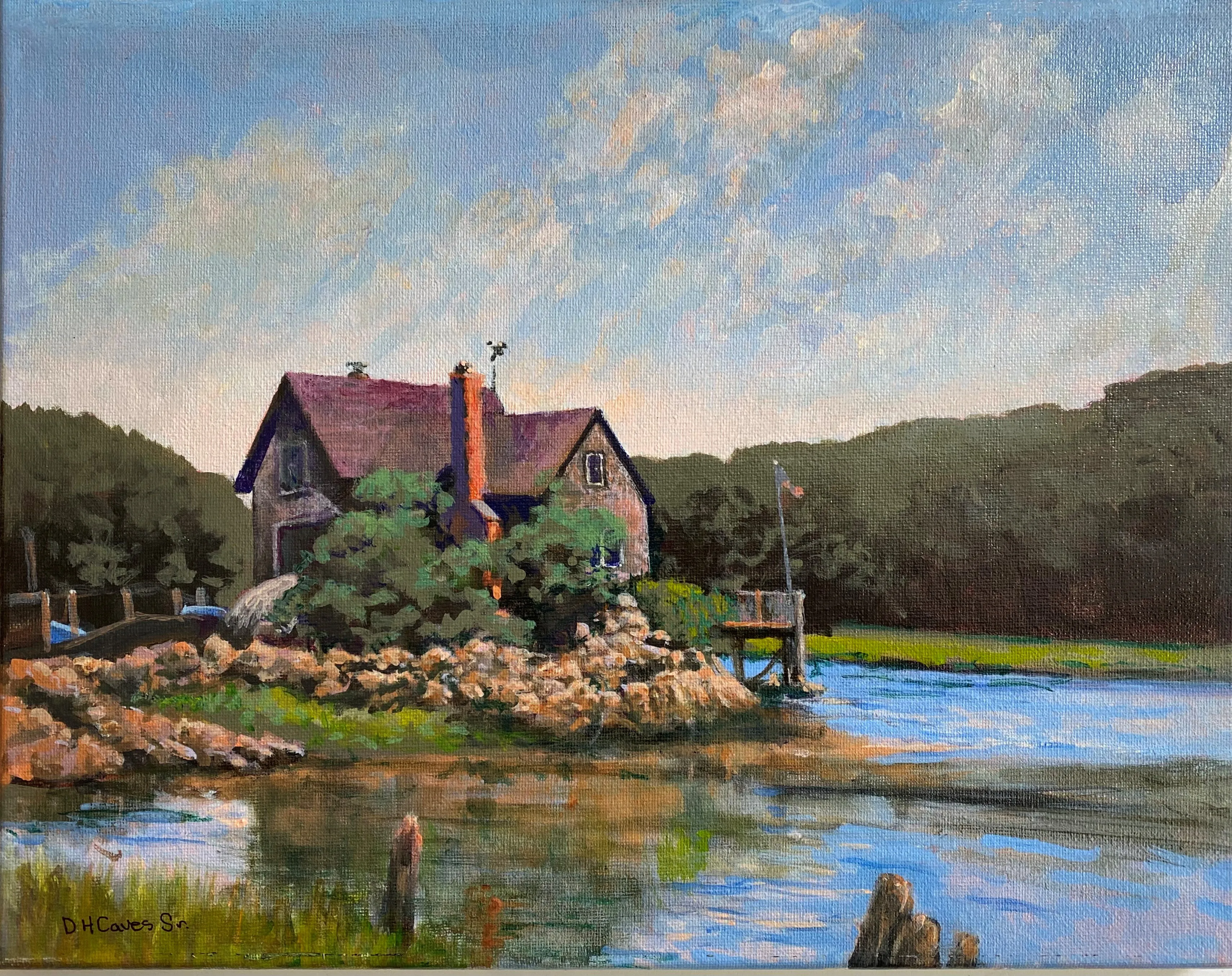
2. Let the surrounding space do some of the work
Scale is relative. A 9 by 12 inch painting can feel substantial above a slim nightstand, on a focused stretch of wall, or within a neatly arranged shelf. The same work can disappear on an oversized wall above a long sofa. Rather than asking a small painting to solve the wrong wall, let it take the place where its intimacy feels right.
Use furniture as a guide. Over a small table, desk, or chest, center the painting with the furniture beneath it and leave a visible border of wall on both sides. A small work placed too high will feel detached. One placed close enough to relate to the furniture becomes part of a compact composition. The studio's guide to hanging a painting can help with the practical question of height and hardware once you have found the right location.
Negative space does not mean isolation. A nearby lamp, vase, or stack of books can make a painting feel at home when the objects are lower and quieter than the work itself. Keep the visual conversation simple. If every nearby object asks for attention, the painting gets reduced to one more item on a crowded surface.
Frames matter at this scale too. A thoughtful frame can give a small painting more presence, but it should not become a costume. A simple profile with enough visual weight to set off the image is often more effective than a very ornate frame. The studio's framing guide explains how to consider the painting, the room, and the final wall together.
3. Use shelves and mantels carefully
Leaning a small painting on a shelf can make a room feel relaxed and lived in. It works especially well when you want to change the arrangement over time, layer a painting lightly with books or a ceramic object, or avoid adding another nail to an old plaster wall. But a casual display still needs a stable base.
Choose a shelf that is deep enough to support the frame without a precarious overhang. Keep the work where it cannot be knocked by a door, a pet, or a busy hand reaching for something nearby. A small clear support, museum wax used appropriately for the object, or a discreet ledge can help prevent slipping. If the work is valuable or the shelf is in a high-traffic area, hanging it securely is usually the calmer choice.
Be selective about the setting. A mantel above a working fireplace brings heat, soot, and temperature changes. A kitchen shelf can bring grease and moisture. Direct sun near a window can be hard on pigments and surfaces. The Smithsonian's guidance for caring for paintings recommends keeping paintings away from direct sunlight and heat sources, while the Canadian Conservation Institute's painting-care guidance emphasizes stable conditions and secure handling.
A shelf display is strongest when it feels edited. Give the painting one or two nearby companions, then stop. A crowded ledge makes each object smaller. A restrained arrangement lets a modest-sized painting still set the mood.
4. Build a group around a real relationship
Several small paintings can make a strong wall, but a group should feel like a conversation, not a storage solution. Start with a connection you can actually see: related landscapes, similar light, a shared palette, matching frames, family history, or a mix of works collected over time. The connection does not need to be rigid. It only needs to give the eye a reason to move from one piece to the next.
Lay the paintings on the floor first. Move them until the outer shape of the group feels balanced, then check the spaces between them. Consistent gaps make an informal collection look intentional. A loose grid can feel calm and architectural, while a more varied arrangement can feel collected and personal. Either approach works better when the group has a visual center rather than growing in every direction.
For two works, think in pairs. Similar dimensions can create a clean rhythm, while a horizontal and vertical painting can create a useful tension when their frames and spacing relate. For three or more, begin with the largest or most visually active work, then place the quieter pieces around it. Give the group enough total width to hold its own on the wall.
Do not force every small painting into a grouping. One work above a table can feel more memorable than five paintings trying to rescue an oversized wall. A collection grows best when each work has earned its place. The studio's guide to starting an art collection is a useful companion when you are deciding what belongs together and what should have a wall of its own.
5. Put a small painting where people can meet it closely
Small work rewards close looking. Consider rooms and moments where people naturally slow down: a desk where you begin the morning, a bedside wall, the turn of a stair, a reading chair, or a narrow hall that leads into a more public room. These places let a painting become familiar without asking it to command the whole house.
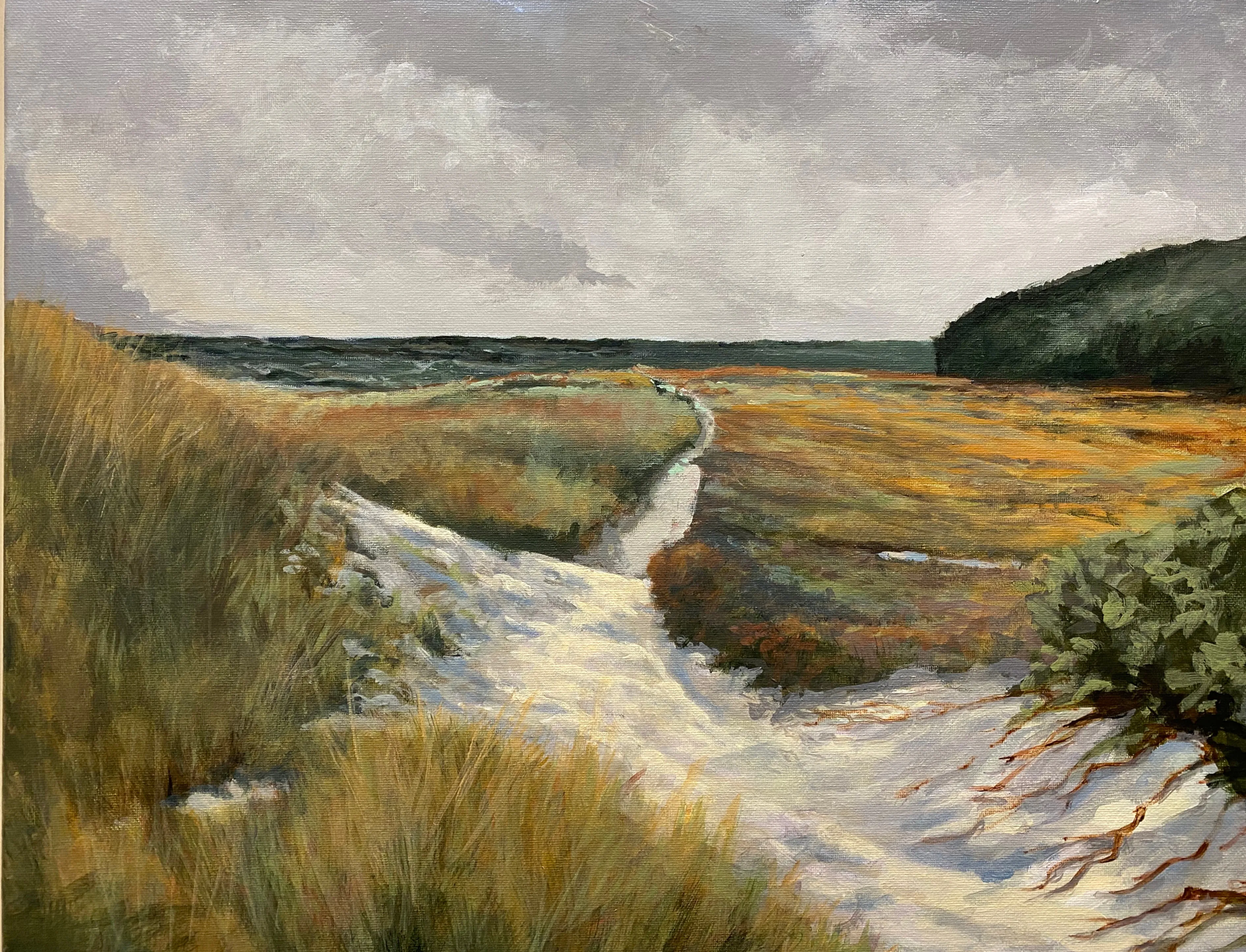
In an entry, a small landscape can create a first note of color or weather before the larger rooms unfold. In a bedroom, it can hold a quieter mood than a major statement piece. In a home office, it can interrupt the hard edges of screens and paperwork with something that changes as daylight changes. A compact painting is not a compromise. It is often the right scale for the most personal rooms.
Lighting deserves the same attention as placement. A small painting near a lamp may be easy to see at night, but avoid a bare bulb or harsh light that creates reflection or sends heat toward the frame. The studio's art-lighting guide covers how to manage glare, brightness, and direct sun without turning a room into a gallery.
Once a work is in place, live with it before deciding it is finished. Notice it in morning light, at dusk, and when the room is busy. A small painting often reveals itself gradually. The fact that it does not shout may be exactly why it becomes part of a home.

6. Use the frame and light to give the work presence
Small paintings are often seen at closer range, which makes their frame and lighting part of the experience. A frame can make a compact oil feel settled and intentional, especially against a wall with a lot of open space. It can also help the edge of the painting read clearly when the colors are quiet or the room is softly lit. The goal is not to make a small work look grander than it is. It is to give the painting a boundary that suits its character.
Start by looking at the work itself. A small landscape with a deep horizon or a dense, dark foreground may welcome a little more visual separation from the wall. A lighter work with an open sky may need a simple frame that lets the painting keep its air. Bring a photograph of the room to a framer when you can, and ask to see a few profiles against the image rather than deciding under unfamiliar shop lighting.
At night, light the painting gently enough that it remains part of the room. A lamp nearby can work beautifully when it does not create a bright reflection across the image. If the painting needs its own fixture, begin with a dimmable light and adjust the angle before turning up the brightness. A small work under one harsh spotlight can look isolated. A softer field of light usually gives the surface more depth.
Finally, check the view from where people will actually stand or sit. A painting near a doorway might need a little more contrast with the wall. A work above a desk may need to remain visible without becoming a distraction. The best display feels simple because each decision has been made for the room, the work, and the way you live there.
Displaying a Douglas H. Caves Sr. painting
Doug Caves's smaller works carry the same attention to weather, architecture, water, and New England light as the larger paintings. Their scale makes them especially suited to the places where a home becomes personal: a narrow entry, a study wall, a bedside table, or a collected group that has grown over time.
Browse the studio's small original oil paintings to see current work. For a specific room, contact the studio with the wall dimensions, a photograph of the space, or questions about framing and placement. If the wall calls for a particular remembered place or mood, the commission process offers a way to begin with the setting you have in mind.
Frequently asked questions
Where should I hang a small painting?
A small painting often feels most at home where a larger work would be too forceful: above a narrow table, beside a doorway, in a reading corner, or as a close companion to a chair or desk. Give it a wall with a clear purpose and enough empty space around it to be noticed.
Can a small painting go above a sofa?
It can, but a single small painting can look lost above a wide sofa. It usually works better when the sofa is compact, the work is part of a thoughtful grouping, or the painting is placed over a side table or another narrower piece of furniture instead.
Should small paintings be grouped together?
A group can be beautiful when the works share a relationship in scale, color, subject, framing, or simply the feeling they create together. Start with fewer pieces than you think you need, arrange them on the floor first, and keep the gaps between them intentional.
Is it safe to lean a painting on a shelf?
Leaning can work for a stable, low-traffic shelf or mantel, provided the painting cannot slide, tip, or sit near a heat source. Keep original art away from direct sun, active fireplaces, and places where it can be bumped or exposed to moisture.