Buying an original painting should feel personal, not like a test with secret rules. The useful questions are straightforward: do you want to live with it, does the work make sense in your space and budget, and do you understand exactly what you are bringing home? A little preparation makes room for the part that cannot be calculated: the lasting pull of the work itself.
1. Begin with attention, not a shopping list
Before you decide what to buy, notice what stops you. Spend time with artists, galleries, exhibitions, and online collections without trying to make a purchase immediately. Save the paintings that keep returning to your mind. After a while, patterns usually emerge. You may be drawn to broad weather, spare architecture, high color, figures, quiet interiors, or the structure of a landscape. That pattern is more useful than a rule about what a first purchase should look like.
Try to describe your response in plain words. Perhaps you want something calm but not sleepy, familiar but not literal, or strong enough to hold a room without shouting. This is not art-world vocabulary. It is a way to recognize your own taste before someone else supplies a fashionable answer. Art Basel's recent conversations with collectors make a similar point: the strongest collections develop a personal thread over time, while an early work should still be something you are genuinely excited to keep seeing.
Let the intended room help, but do not let it choose for you. A painting can relate to a home through light, scale, or feeling rather than matching the sofa. The studio's guide to choosing a painting for your home can help you test that practical fit once you have found work that holds your attention.

2. Set a budget that leaves room for the whole decision
A budget is not an admission that the choice is less personal. It is what lets you look seriously and ask direct questions without drifting toward work that will create regret later. Decide on a comfortable range before you start comparing paintings. Then remember that the price of the artwork may not be the entire cost. Framing, delivery, installation, tax, and insurance can matter depending on the work and where it is going.
Think in terms of a total, not a single number attached to a painting. If the work is unframed, ask what a suitable frame may cost and whether the artist has a recommendation. If the painting is large, ask how it will be packed, delivered, and hung. If you are buying from a distance, ask whether delivery is included and what happens if the work arrives damaged. A clear conversation is better than discovering the practical details after you have already fallen in love with the image.
There is no correct price for a first original. Smaller studies, works on paper, and earlier pieces may make it easier to start. A larger painting can be right when it is the work you want to give a room for years. The point is not to buy more than one work or to move quickly. It is to leave enough room in the decision for the painting to be well cared for once it is yours.
3. Read the listing like a future owner
A good listing should tell you what the work is, not merely show you an attractive image. Look for the title, artist, medium, date when available, dimensions, whether the measurements include the frame, and whether the work is unique or part of an edition. For a painting, the medium matters because oil, acrylic, watercolor, gouache, and mixed media have different surfaces, handling needs, and visual character.
Dimensions deserve more attention than most buyers give them. A 24 by 36 inch painting has a very different presence from a 12 by 16 inch study, even if the image looks similar on a screen. Write the size down, tape the outline on the wall, and view it from the door and from where you normally sit. Use the room rather than the product image as your scale reference.
Also look at the condition description. A new work sold directly by its artist may simply be described by its materials and framing. A secondary-market work may need more detail about age, restoration, cracks, fading, or prior ownership. Neither situation is automatically better. They call for different questions. The Smithsonian American Art Museum's research guidance is a useful reminder that artist information, markings, exhibition history, and provenance are all parts of understanding an artwork, especially once a work has passed through several owners.

4. Understand the difference between an original and a print
Original art and prints are not opponents. They are different kinds of objects with different reasons to own them. An original painting is a unique work: the precise brushwork, texture, changes of color, and decisions made while it was being painted exist in that one object. A print is usually an edition made from an image, though printmaking can itself be an original art form when the artist creates the edition through a print process.
Ask the seller to use exact language. Is it an original oil painting, an acrylic painting, a hand-pulled print, a signed giclee, an open edition, or a limited edition? If it is an edition, ask how many were made, whether it is signed and numbered, and what material it is printed on. Clear terms protect both the buyer and the artist from the vague descriptions that make online art shopping needlessly confusing.
Do not use a signature as the only test. Signatures can be present on originals, prints, and reproductions. Instead, ask for the medium and edition information in writing, and look at close-up photographs of the surface. If you are considering an older work, the Smithsonian's guidance on documenting a collection explains the practical value of keeping photographs, purchase details, artist information, title, dimensions, and related records together from the start.
5. Ask the questions that a photograph cannot answer
Buying online makes it possible to see work from artists far beyond your nearest gallery, but a screen cannot tell you everything. Ask for a short video in natural light if color or surface matters to you. Ask to see a close-up, the edge of the canvas, the back, and the frame. Ask whether the color in the listing is close to the painting in person, and whether the work is ready to hang. A seller who knows the work should be able to answer without making you feel difficult for asking.
For an original painting, useful questions include: Is it still available? What is the medium? Are the dimensions framed or unframed? When was it made? Is it signed? Is the frame included? Has it been shown before? What documentation will accompany it? How will it be packed? What delivery and return arrangements apply? You do not need to ask every question for every small purchase. For a painting that will be a significant part of your home, though, the answers are part of the confidence you are buying.
Look for a seller whose information is consistent across the listing, photographs, invoice, and conversation. The title, size, medium, and price should not become vague when you ask for details. If the answers do not line up, pause. There will always be another painting, and a clear purchase should not depend on pressure or a rushed decision. A thoughtful seller will understand that a buyer may need time to measure a wall, talk with a partner, or compare the work with other possibilities.
When you can see a work in person, take the opportunity. Step close enough to see the surface, then stand back until the composition takes over. Notice whether the frame changes its scale. Give yourself a quiet minute before deciding. You are not only assessing whether the painting is good. You are assessing whether it belongs in your own daily life.
6. Keep the purchase record with the work
Once you buy, make a simple record while the details are fresh. Save the invoice, the artist or seller's contact information, the listing images, photographs of the front and back, the title, date, medium, dimensions, and any notes about framing, delivery, exhibitions, or previous ownership. This may sound formal for a painting you bought because you loved it. It is simply good care for something you expect to keep.
The Smithsonian recommends keeping a file for each object in a collection, including photographs, purchase date and price, seller details, artist information, title, date, and framed and unframed dimensions. That record is useful if you insure the work, move home, lend it to an exhibition, or need to explain it to family later. It also makes the collection feel more connected as it grows.
Keep a digital copy as well as a paper one. A simple folder with photographs, the invoice, delivery information, and any correspondence can be enough. When a painting eventually changes rooms, travels, or becomes part of a larger family collection, those small details save a great deal of guessing. The record is not about proving that the work is important to anyone else. It is about retaining the story and practical information that made it important to you.
Place the painting with its materials in mind. Keep it away from direct sun, active heat sources, and areas with sudden changes in humidity. Use appropriate hanging hardware for the weight of the framed work. Caring for a painting is not about making a house too precious to live in. It is about avoiding the few conditions that make damage more likely.
7. Let enjoyment lead; leave predictions behind
It is reasonable to ask whether a price is fair, to understand an artist's career, and to care about condition and provenance. It is less useful to buy a painting because someone promises it will rise in value. The future market for a work is uncertain, and a painting bought mainly as a financial prediction can become an awkward thing to own.
A better question is whether the work will keep giving something back. Will you notice a new passage of light in the morning? Does the subject connect to a place, a season, or a kind of weather you know? Does the image make the room feel more like yours? The Art Basel collector discussion puts the balance well: taste can develop, but the work you buy should be something you care about living with. That is a sound standard for a first purchase and for the tenth.
Give yourself permission to start modestly, to take time, and to ask questions. An original painting does not become more meaningful because it was bought quickly. It becomes meaningful because it has a place in your life after the excitement of choosing it has passed.
Buying directly from Douglas H. Caves Sr.
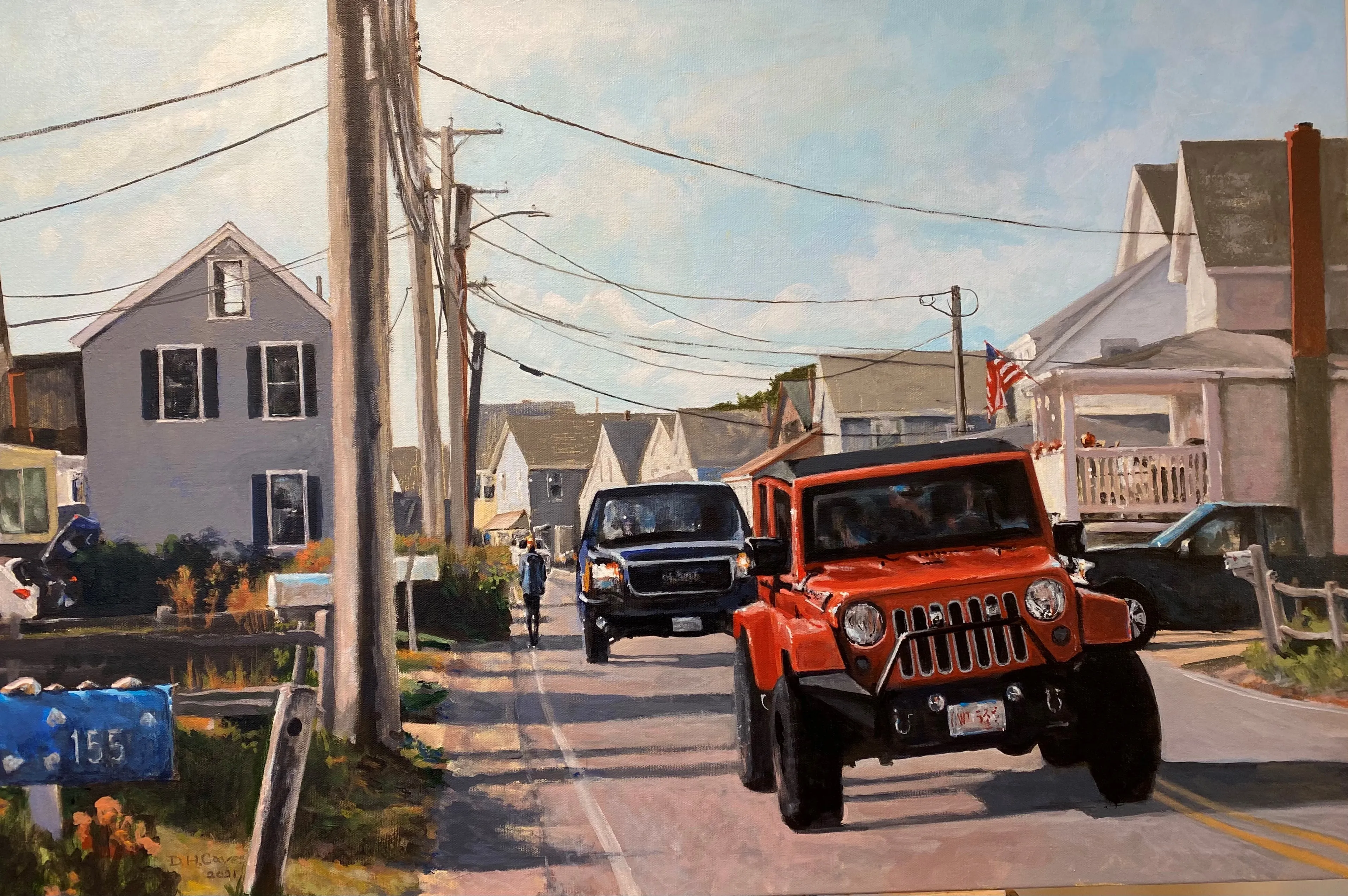
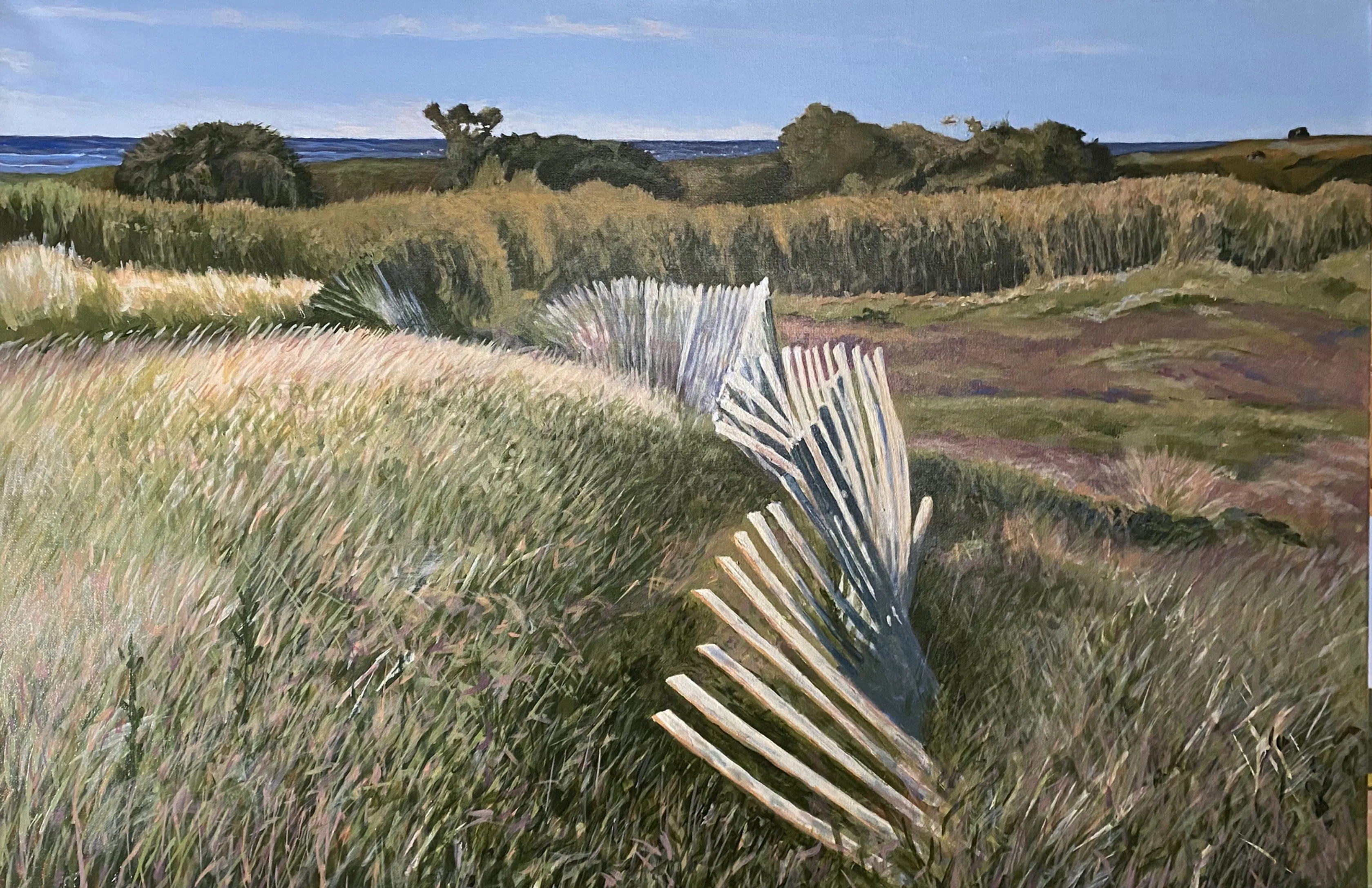
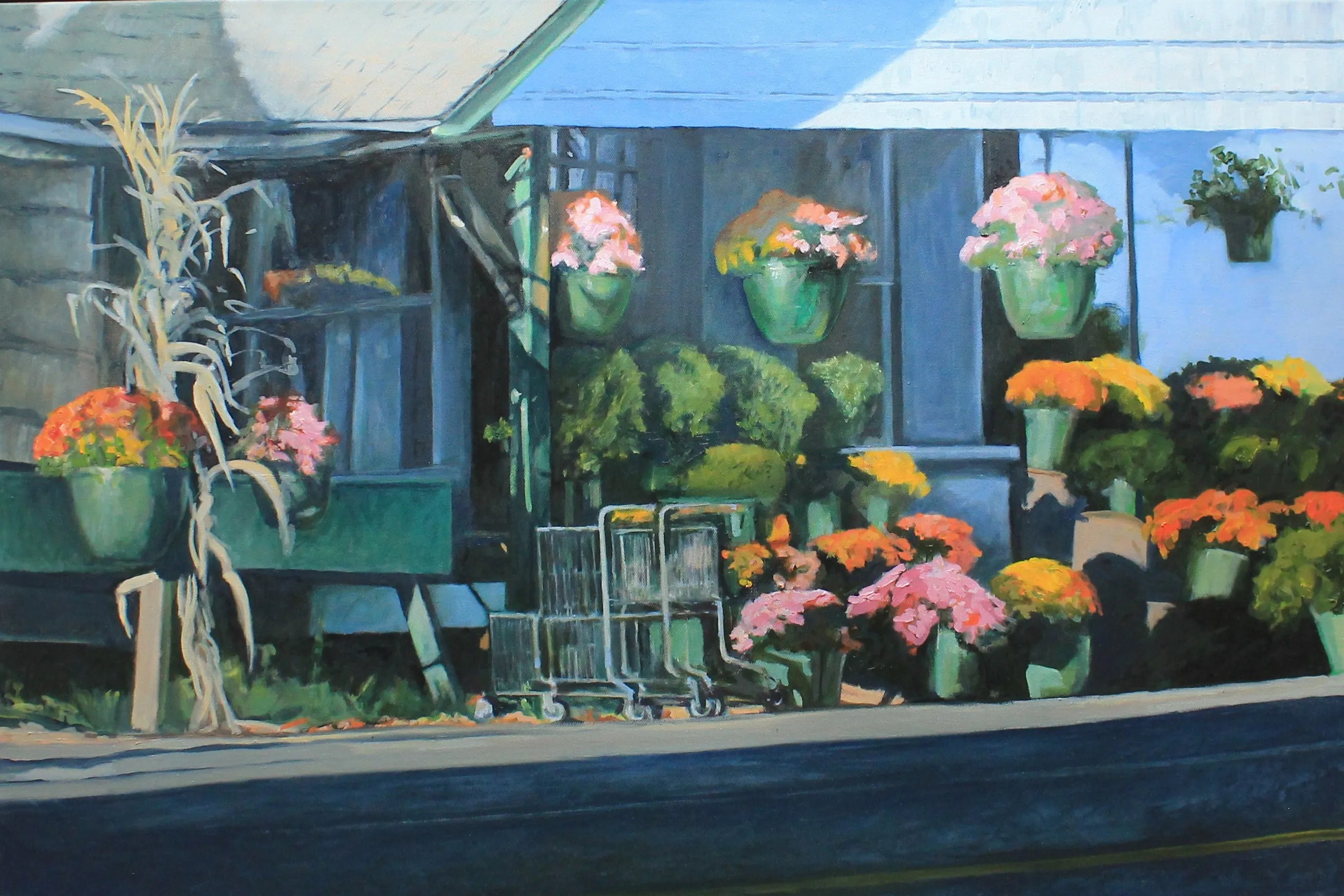
Doug Caves's paintings are rooted in the light, weather, architecture, and working landscapes of New England. The available paintings page includes each work's title, medium, dimensions, and price so you can begin with the practical facts as well as the image. For a particular room, the studio can help clarify scale, framing, availability, and delivery before you decide.
Browse the current collection, see the work in person through the exhibitions schedule, or contact the studio with the painting or wall you have in mind. If a remembered landscape or place is the starting point, the studio's commission process offers another way to begin.
Frequently asked questions
How do I know whether a painting is original?
Ask the seller to state the medium, date, dimensions, and whether the work is unique or part of an edition. An original painting has its own physical surface and marks; a print is an edition made from an image. A clear invoice and written work details are useful records to keep with either.
Should I buy art as an investment?
Buy a work because you want to live with it. Resale value is difficult to predict and depends on many factors outside a buyer's control. A painting can be a meaningful purchase without being treated as a financial plan.
Is it safe to buy an original painting online?
It can be, provided the seller gives clear images, dimensions, medium, condition, price, delivery details, and a direct way to ask questions. For a significant purchase, ask for a video, additional close-up images, or a conversation before deciding.
What paperwork should come with an original painting?
Keep the invoice, seller contact details, photographs, title, artist name, date, medium, dimensions, and any exhibition or provenance information supplied with the work. These records make future care, insurance, and collection management much easier.