Custom Artwork

Commission
a House
Painting

Turn a home, family property, or built place you carry with you into an original painting with its own weather, light, and life on the wall.

Start a house-painting enquiry ↗
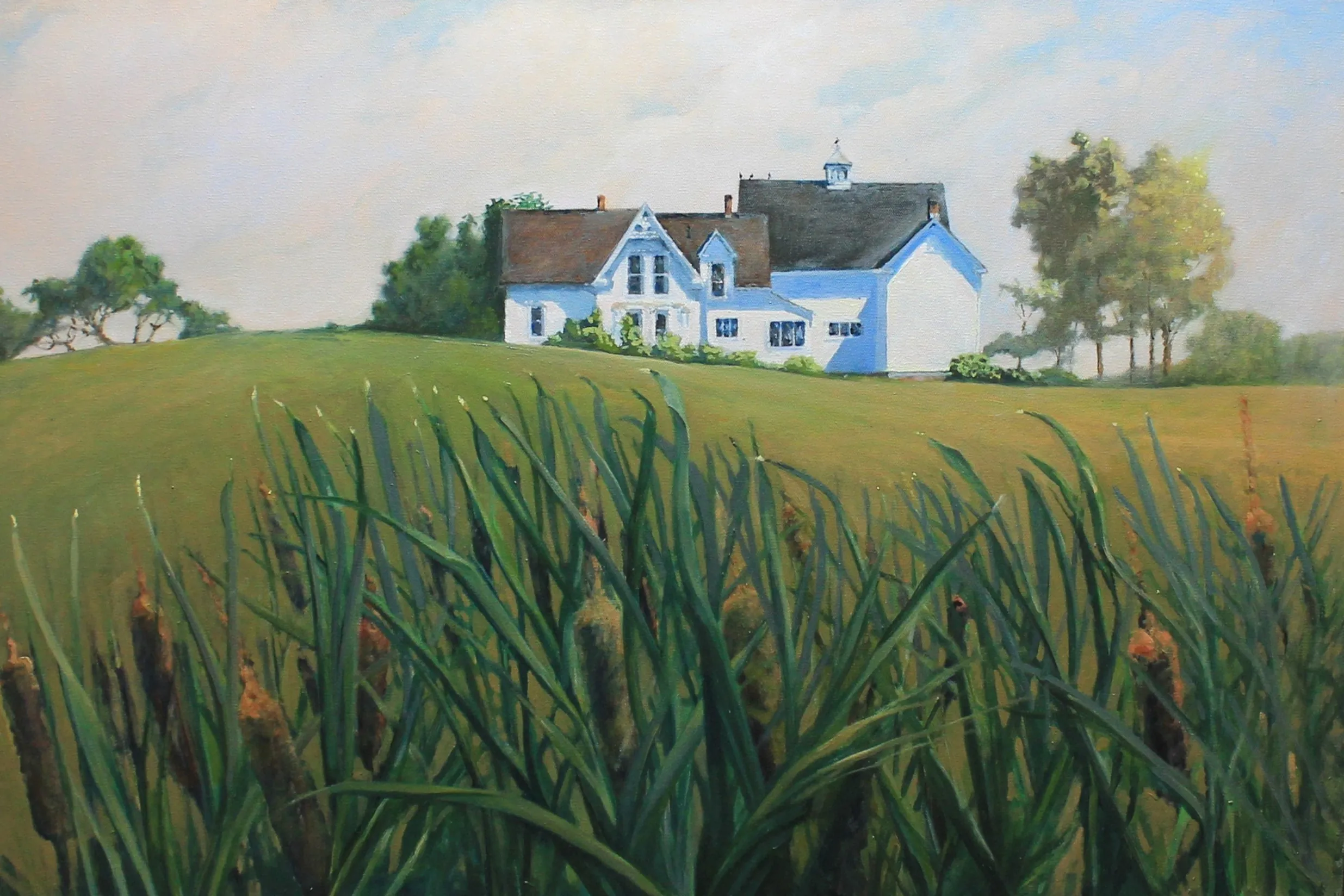
White House at the Bend, an oil painting by Douglas H. Caves Sr.

A House With A Story

Not a real-estate portrait. A painting of what a place means to you.

A house gathers its own kind of memory. It may be the place you grew up, the home where your family still meets, a farm that has held its ground for generations, or a building whose shape against the sky has never left you. The details are personal, but the wish is familiar: to keep something of that place close.

Doug begins with the house, then looks outward. The road that leads to it, the trees around it, a field, a long afternoon shadow, the weather moving in, or the open space that gives the building its presence all matter. His work is not a literal copy of a photograph. It is an original response to the atmosphere and character that make the place yours.

There is a useful difference between recording a house and painting it. A camera can describe every board and window. A painting can decide where the eye first rests, what the sky is doing, how a patch of light changes the wall, and how much of the surrounding landscape belongs in the memory. That freedom lets the work feel observed without becoming stiff or sentimental.

A meaningful commission also has a practical side. The painting should feel right where it will live, not only in a photograph or on a studio easel. That is why a wall photograph and rough measurements are helpful early on. They make it easier to judge how much space the work should hold, whether a horizontal or vertical view is more natural, and whether the room wants a quieter painting or one with more visual weight.

The point of departure may be a cherished family photograph, a view that is still visible every day, or a house that exists now only in memory. In each case, Doug listens for the details with emotional weight: the front walk, the trees planted by someone you love, a particular season, the hill behind the barn, or the long distance between the road and the door. Those details help give the painting its particular mood.

Many homes are loved precisely because they are not grand. A weathered porch, a familiar kitchen light at dusk, the way a barn settles into its field, or the small change of a driveway after rain can hold more feeling than a formally impressive facade. Doug’s paintings make space for that quieter character. The goal is not to make a place look more polished than it is, but to find the light, mood, and structure that make it recognizably yours.

That approach gives the finished painting room to live beyond the memory that began it. From across a room, it can hold the strength of an old roofline or a bright wall in changing light. Up close, the brushwork and shifts of color keep revealing new things.
How It Comes Together

Start with the house. Then find the view that feels true.

  1. 01

    Share the place and the story around it

    Send photographs if you have them, but do not worry about making a perfect package. A few views of the house, a note about its setting, and the reason it matters give Doug a useful place to begin. The qualities that a camera misses are often the ones that make the painting personal.

  2. 02

    Choose a point of view with room to breathe

    Together, you can consider whether the painting should hold the whole house, the approach, a porch, a familiar side yard, or the relationship between the building and the land around it. Season, weather, time of day, and the room where the work will live all help shape that decision.

  3. 03

    Set the painting in its future home

    Before the work begins, talk through size, palette, and placement. A quick photograph of the wall and approximate measurements help Doug make a painting with the right presence, whether it will greet you at the entry, settle above a mantel, or anchor a quieter room. There is no need to decide every practical detail in advance. The first conversation is simply a way to see whether the project is the right fit.

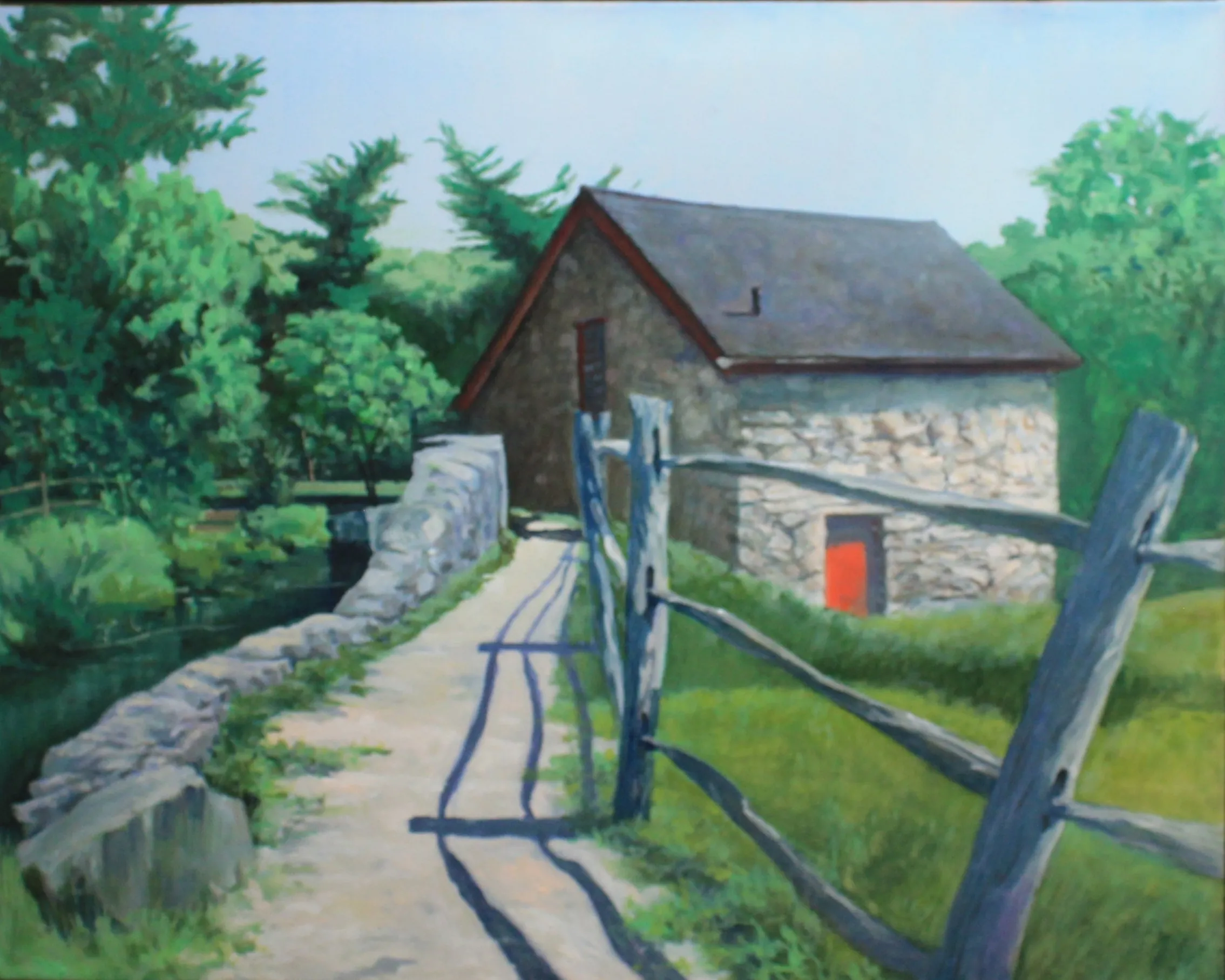
Gristmill Approach, an oil painting by Douglas H. Caves Sr.

What To Bring

A few honest details are more useful than a finished brief.

Photographs, a rough sense of the wall, and the feeling you hope to keep are enough to begin. Perhaps it is the house in late autumn, the way it sits after a snowfall, the road home, or the particular light that makes the place feel like itself.

Talk with the studio about your house painting →

Questions, Answered

Before you get in touch.

Can Doug paint my house from photographs?

Yes. Photographs are a helpful starting point, especially when they show the house from several angles and in different light. Doug also wants to hear what you notice about the place, because the finished painting is shaped by more than a literal record of the building.

Does a custom house painting need to show the entire house?

No. A painting may take in the whole property, or it may focus on the turn of a roofline, an approach through trees, the relationship between a house and a field, or a particular season. The right view is the one that carries the feeling you want to keep.

Can we talk about size and placement before I commission a painting?

Yes. A photograph of the intended wall, its approximate dimensions, and a few notes about the room help the studio discuss scale, palette, and the visual weight the painting should have.

What should I send to begin?

Send a note with any photographs you have, the address or general setting, the story behind the place, the wall size if you know it, and any timing considerations. Doug will respond personally to begin the conversation.

Start with the house that has stayed with you.

Tell the studio about the place, the view, or the memory you have in mind, and begin a conversation about an original house painting.

Enquire about a house painting ↗